We limit access by GUESTS to protect our members from spam, hacks and trolls. Please register to gain access to all our resources.


Posted by greenbarn
- September 17, 2013, 08:22:01 AMQuote from: aralph on September 17, 2013, 05:32:43 AMThis is the easiest option - in order to put in a helicoil, you would have to drill out the existing hole, and tap it to the size of the helicoil. Then the helicoil screws into the hole, giving you new threads on the inside of the coil. NOT a good option if you can't get to it to drill it out. You may have to extend the cable, and move it to a new location. LIke aralph said, just about anywhere on the block would work.Is there any other place on the block you could connect to.
You just have to establish a good ground.aralph
Posted by DC
- September 17, 2013, 08:02:25 AMIs the helicoil the way to go, or is there something else I can do with the screw that would create enough grip in the hole?
I'll also try to scope out another grounding point on the block.
Posted by aralph
- September 17, 2013, 05:32:43 AMIs there any other place on the block you could connect to.
You just have to establish a good ground.
aralph
Posted by waltervl
- September 17, 2013, 01:39:05 AM10 mm head is M6.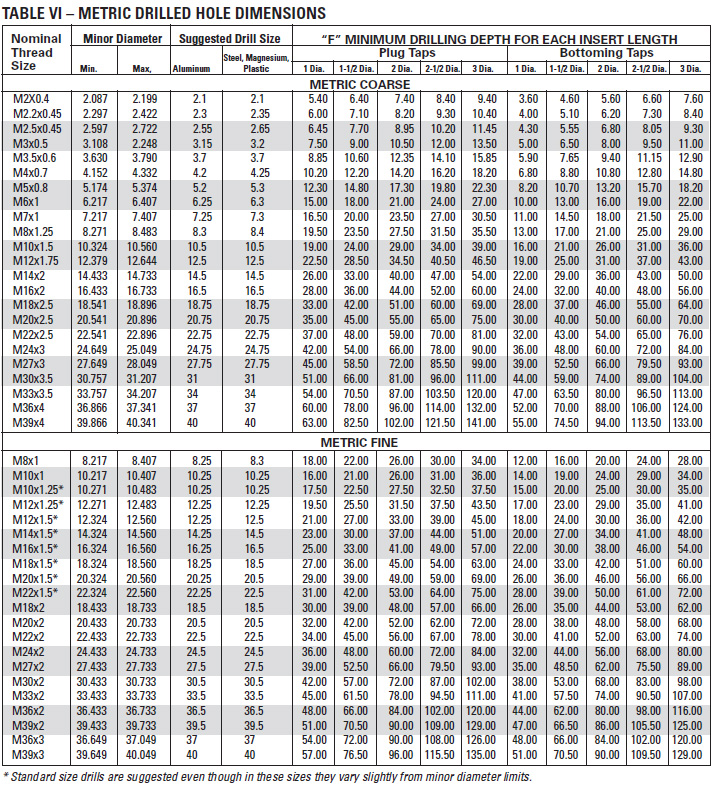
Posted by DC
- September 16, 2013, 21:47:09 PMQuote from: Troll on September 16, 2013, 20:28:29 PMOkay, I figgered that out, when I went back out in the garage. Thanks.The plastic side cover with the single chrome screw holding it. The coolant reserve tank and all the electrics are hiding back there.
Not that it matters, but I also figgered out how to take everything off the left side.  Just curious as to where everything went.
But anyway, here's what I found. The connection from the battery to that relay block is rock solid. Then I happened to see the negative black going to the engine block. I touched it and it was loose. So I figgered, before tightening it up, I would take the screw out, clean up the inside face and also clean up the round loop connector. There was some corrosion on each, but not much. But I sanded them until they shined. So now I know when they are in contact, there is a good connection. When I had the screw out, I noticed some curly wire around the screw. . . almost like an attempt at a makeshift helicoil. Hmmm. . . Anyway, I figgered time to put it back on and test. As I'm trying to tighten it up, it just keeps spinning but not tightening. I'm not even giving it much muscle. Now it's starting to make sense. Someone else had an issue with it coming loose, tried to make a helicoil to tighten the fit, and I guess it worked for a while. Well, it doesn't anymore.
So the head is a 10mm. How do I size a helicoil for this? It's been too many years, I can't remember, since I worked in a shop. Do I need to drill and tap, or just fit the next size up? What would I get? I can't see drilling that out. There's just no room.
And yes, I did test it out after tightening it up. Started first time. no clickety click. But I think the jury is still out, until I can firmly button down that negative on the engine block.
Posted by Troll
- September 16, 2013, 20:28:29 PMThe plastic side cover with the single chrome screw holding it. The coolant reserve tank and all the electrics are hiding back there.
Posted by DC
- September 16, 2013, 19:35:56 PMQuote from: Troll on September 16, 2013, 08:05:54 AMOkay, I'm not sure which right side cover you mean. Do you mean the small one inside the larger cover with the socket hex cap screws (3 or 4 round head ones, I can't tell)? Or do you mean the entire right side cover with the oil filler cap on it? I know this sounds dumb (I'm not sure how it's constructed) but won't all the oil come out if I take the entire cover off?The relay is the under the right side cover, towards the rear and should have a pretty beefy cable attached. The relay also houses the main fuse. The starter motor is between the front of the engine and the lower part of the radiator. This design uses a relay for current switching, and a roller clutch on the starter that is constantly engaged, but freewheels when the engine is running...it has no "solenoid" in the automotive sense of the word. Check for loose main cable at the starter, and the relay, but there is also a ground wire from the battery to the frame to the engine. If the ground cable is loose at either connection, you will get a significant power loss. Putting power from your battery with a jumper cable, directly into the terminal on the starter will get the motor to crank the engine. The starter relay does this for you at the push of button
To get either off, it looks like I would have to remove the highway bars, floor board, bracket, one or more of the exhaust pipes, and a bunch of other stuff. Is this right? I tried undoing one of the socket hex cap screws but it seems frozen and if put much more oomph behind it, I'm afraid of stripping the head out.
Are there pics of the innards under that cover anywhere?
Posted by greenbarn
- September 16, 2013, 12:12:28 PMQuote from: John Hopkins on September 16, 2013, 11:27:13 AMMAKE SURE the bike is in Neutral - If you jump the relay/solenoid you will bypass the keyswitch and ALSO THE NEUTRAL SAFETY SWITCH. It will start in gear.....Now imagine the starter solenoid is an ordinary switch..when it is in the 'start' position that battery lead connects across to the only other thick wire connected to the solenoid..after checking that the wires are tight in their solenoid connectors you can bridge the two connectors with a thick piece of wire..If the solenoid is faulty the starter will turn the engine over even with the ignition switched off..If that happens you need to replace the solenoid and at least clean the contacts..If the starter does not turn the engine over you need to check the starter motor connection which is quite a job on these bikes..it is possible that the motor needs removing and to do this you should have to remove the radiator.
John.
Posted by John Hopkins
- September 16, 2013, 11:27:13 AMIf you have fitted an AGM battery it has two round screw in plates on the top, one for + and one for - you have to screw the adaptor into these before you can attach the ground and live wires, the adaptor can work loose without you noticing it, leaving the connectors and leads tight..I would start there because if one of the connectors is loose the resistance will not allow enough current to reach the starter motor..
Next is the starter solenoid behind the right cover..one of the battery leads goes straight to that if that is loose the same thing happens..
Now imagine the starter solenoid is an ordinary switch..when it is in the 'start' position that battery lead connects across to the only other thick wire connected to the solenoid..after checking that the wires are tight in their solenoid connectors you can bridge the two connectors with a thick piece of wire..If the solenoid is faulty the starter will turn the engine over even with the ignition switched off..If that happens you need to replace the solenoid and at least clean the contacts..If the starter does not turn the engine over you need to check the starter motor connection which is quite a job on these bikes..it is possible that the motor needs removing and to do this you should have to remove the radiator.
Starter motors can be damaged in all sorts of ways..A poor connection can cause the voltage to arc and overheat the wiring, brushes wear out and the brush holder can slip against the commutator and damage that, bearing wear can cause the rotor to sieze and short against the stator..
All in all it's not as difficult as it sounds and a loose connection is usually the cause..
John.
Posted by DC
- September 16, 2013, 10:50:25 AMThanks Troll. I will pull the cover and check out the connections.
Posted by Troll
- September 16, 2013, 08:05:54 AMThe relay is the under the right side cover, towards the rear and should have a pretty beefy cable attached. The relay also houses the main fuse. The starter motor is between the front of the engine and the lower part of the radiator. This design uses a relay for current switching, and a roller clutch on the starter that is constantly engaged, but freewheels when the engine is running...it has no "solenoid" in the automotive sense of the word. Check for loose main cable at the starter, and the relay, but there is also a ground wire from the battery to the frame to the engine. If the ground cable is loose at either connection, you will get a significant power loss. Putting power from your battery with a jumper cable, directly into the terminal on the starter will get the motor to crank the engine. The starter relay does this for you at the push of button
Posted by greenbarn
- September 16, 2013, 07:43:03 AMNot positive on the 1500. On my 800 its in the front, under and behind the lower radiator mount, right next to the road - = subject to corrosion. It looks like a small electric motor.
Posted by DC
- September 16, 2013, 07:09:01 AMQuote from: chief on September 15, 2013, 19:06:14 PMIt sounds like it might be a power connection problem.
Quote from: greenbarn on September 15, 2013, 20:53:55 PMDumb question, but how do I get to where that's connected? Do I have to remove any side covers?Sounds like you most certainly have a connection problem.
If you have 14.5 running, then the battery is charging (i.e. your charging system is working).
If you have 12.5-13 V not running and/or disconnected, then that indicates a charged battery (but not necessarily a GOOD battery)
You need to check the connections on the starter. You could have a loose wire, or corrosion problem. Look for a connection that looks like it's been hot - discoloration, melted plastic, etc.
Posted by greenbarn
- September 15, 2013, 20:55:24 PMSay,.... what's the odds of a guy calling himself "DC", having a battery problem??
Must be a guy on a refrigerator forum going by "AC" having a wiring problem, I suppose... 
Posted by greenbarn
- September 15, 2013, 20:53:55 PMSounds like you most certainly have a connection problem.
If you have 14.5 running, then the battery is charging (i.e. your charging system is working).
If you have 12.5-13 V not running and/or disconnected, then that indicates a charged battery (but not necessarily a GOOD battery)
You need to check the connections on the starter. You could have a loose wire, or corrosion problem. Look for a connection that looks like it's been hot - discoloration, melted plastic, etc.