Post by: Feed Poster on December 24, 2024, 22:44:08 PM
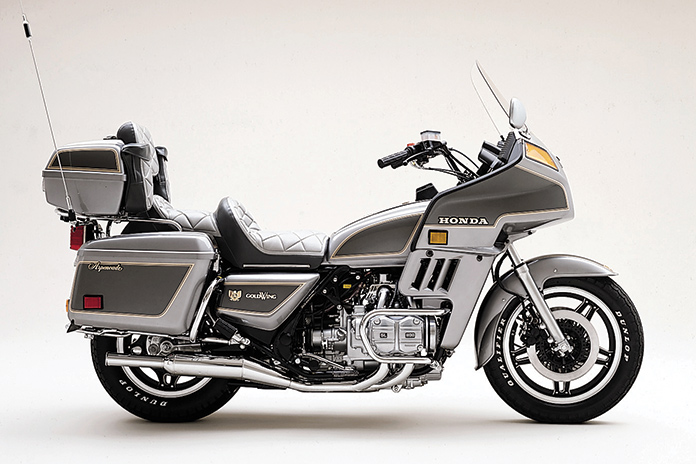
The histories of Rider magazine and the Honda Gold Wing have run parallel – and often intertwined – over the past 50 years. Rider's first issue was published in the summer of 1974, and a few months later the Honda GL1000 Gold Wing was unveiled to the public.
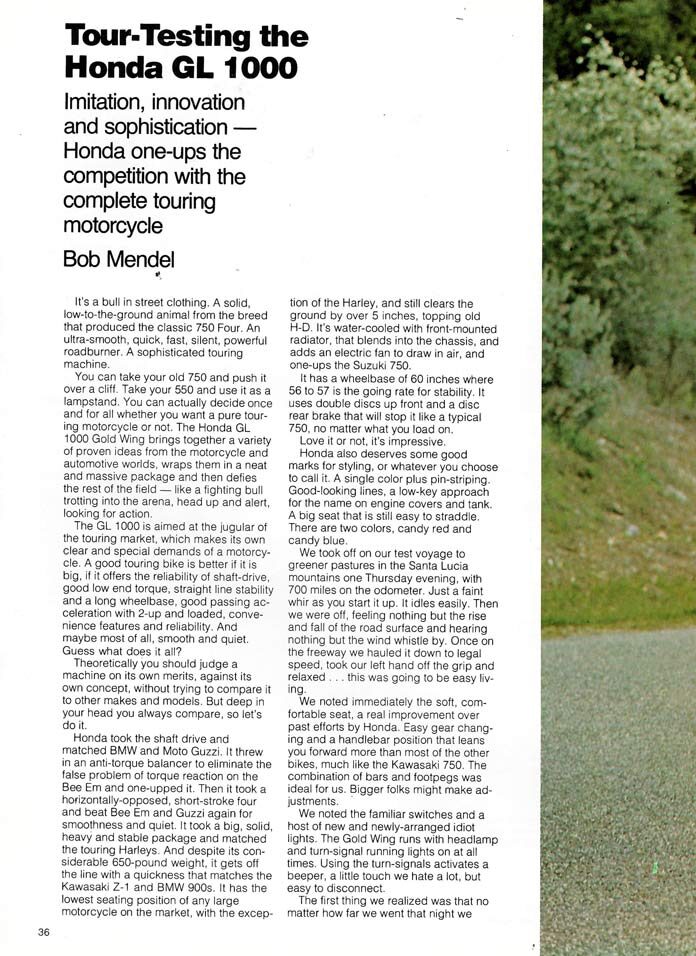
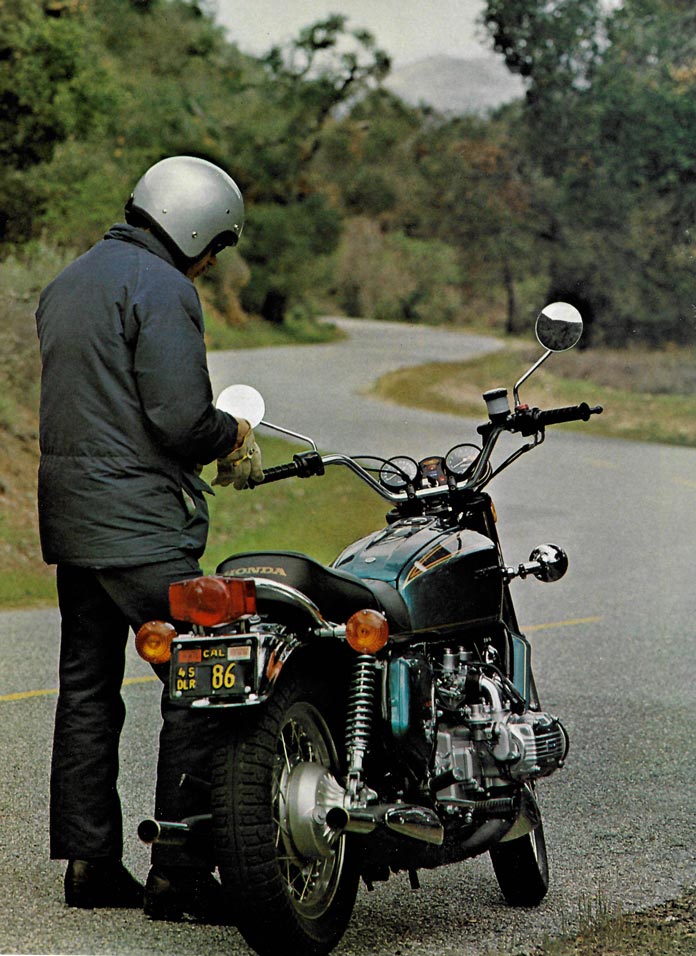
The GL1000 debuted as a 1975 model, and sales in the U.S. began that year. Rider published a test of the Honda GL1000 in the Summer 1975 issue, which opened with this paragraph:
It's a bull in street clothing. A solid, low-to-the-ground animal from the breed that produced the classic 750 Four. An ultra-smooth, quick, fast, silent, powerful roadburner. A sophisticated touring machine.
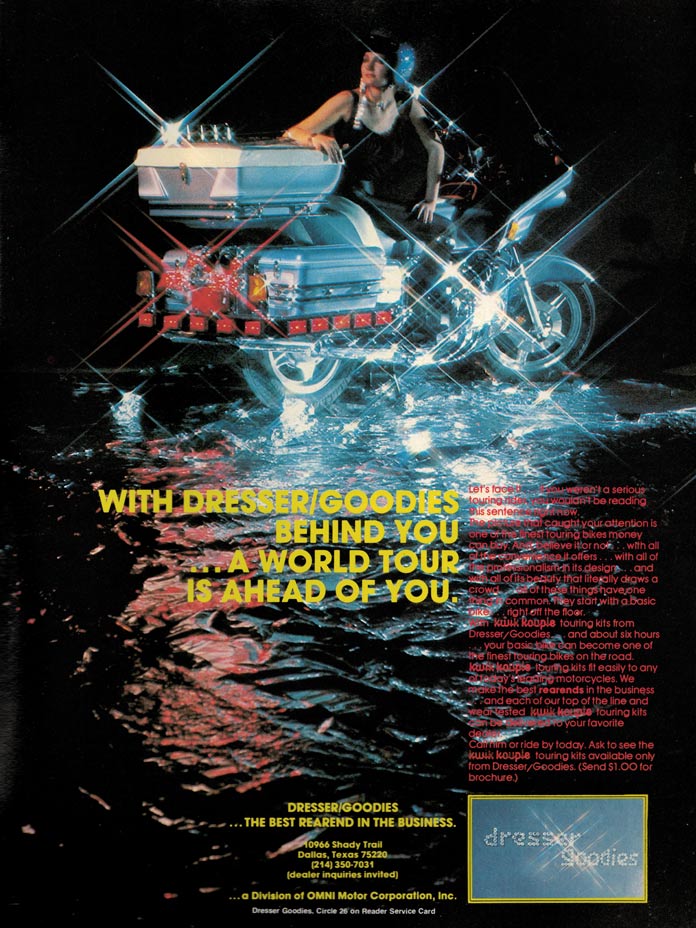
Over the past half century, Rider has tested every Gold Wing model multiple times, and we have included the Wing in numerous comparison tests, tour tests, and travel stories. The Gold Wing became so synonymous with touring that it spawned an enormous aftermarket, and at least 50 companies have used Wings in their advertising in Rider over the years.
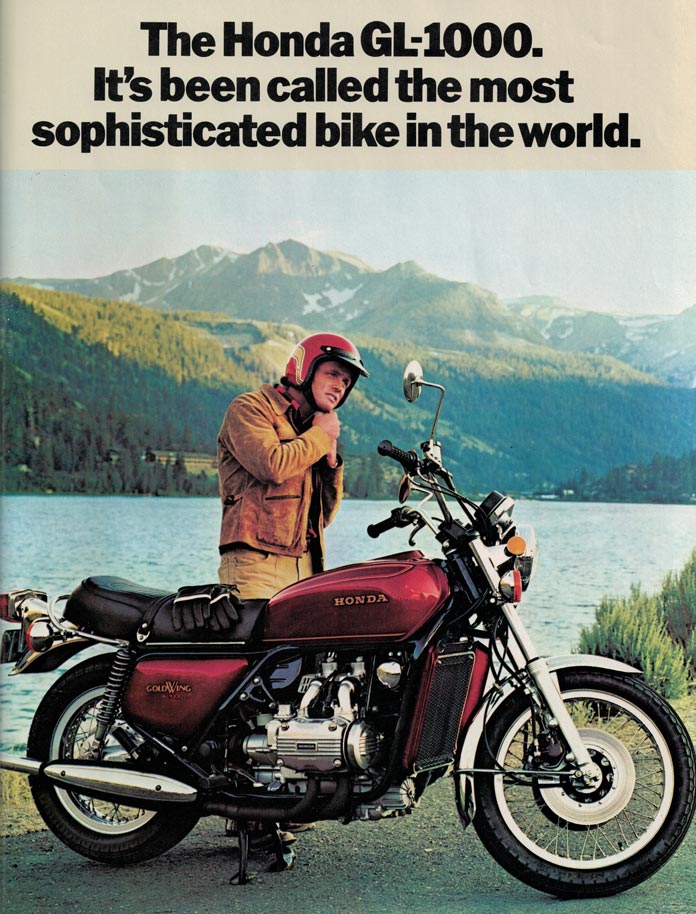
"It is possible that Rider owes its existence to the early Gold Wing," former EIC Mark Tuttle told me. "The touring aftermarket that sprang up in its wake filled the pages of the magazine with ads in the late 1970s and continued to do so even during the recessions of the 1980s, when the OEMs slashed their marketing budgets. Most of the other magazines were focused on sport, performance, and racing, and alternatives to print had yet to appear, making the travel and touring focus of Rider the best venue for companies like Vetter, Markland, Tour Rider, and many touring accessory warehouses to showcase their stuff. That revenue helped the magazine survive several nasty economic downturns in the 1980s.
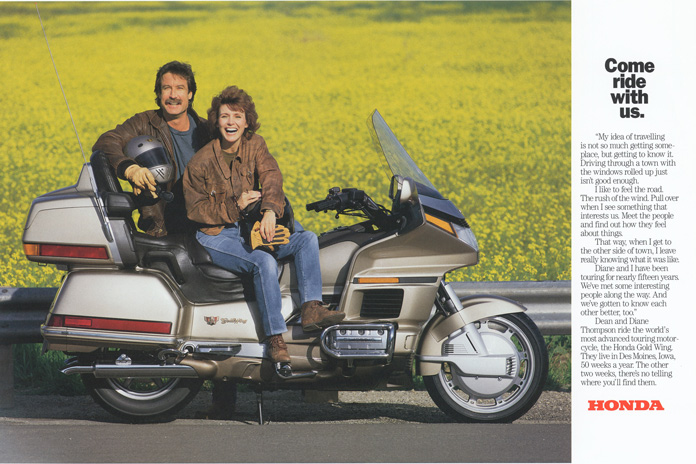
"Honda was pretty quick to notice that it was missing an opportunity to provide and profit from those accessories itself, and it wasn't long before many of them appeared as factory equipment or options on Gold Wing models like the Interstate and Aspencade. That had a negative impact on the aftermarket's profitability and on Rider's ad revenue. Fortunately for the magazine, it was soon replaced by copious amounts of Honda ads as the economy improved and the Gold Wing exploded in popularity with the release of the 1988 GL1500."
Alan Cathcart's review of the GL1000 (published originally in Rider‘s December2024 issue) describes the Gold Wing's development, and below are some key milestones in the model's 50-year history.
See all of Rider‘s Honda motorcycle reviews
1972: A team led by Shoichiro Irimajiri develops the M1 prototype, a 1,470cc flat-Six precursor of the Gold Wing.
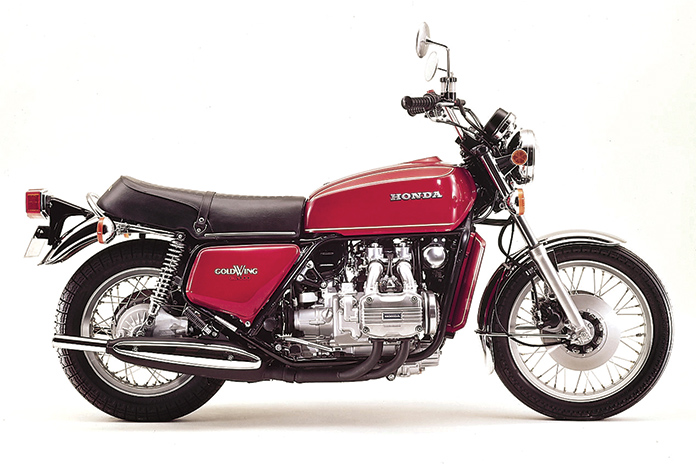
1974: The 1975 GL1000 Gold Wing K0 makes its public debut at the Cologne Show. Developed by Toshio Nozue, who was also responsible for the CB750, the Gold Wing is dubbed "the ultimate motorcycle" by Honda.
1977: The Gold Wing Road Riders Association (GWRRA) is founded.
1979: Honda opens its $50 million, 260,000 square-foot production facility in Marysville, Ohio.
1980: Honda introduces the 1,085cc Gold Wing GL1100, featuring a longer wheelbase, electronic ignition, increased fuel capacity, and less weight. An Interstate version offers a factory-installed fairing and luggage and an optional stereo-intercom system. Honda's Marysville Motorcycle Plant produces its first Gold Wing.
1982: Honda introduces the GL1100 Aspencade, featuring two-tone paint and the Interstate's touring amenities.
1984: Honda introduces the 1,182cc GL1200, which has a stiffer frame, repositioned engine, smaller wheels, longer wheelbase and swingarm, and upgraded suspension.
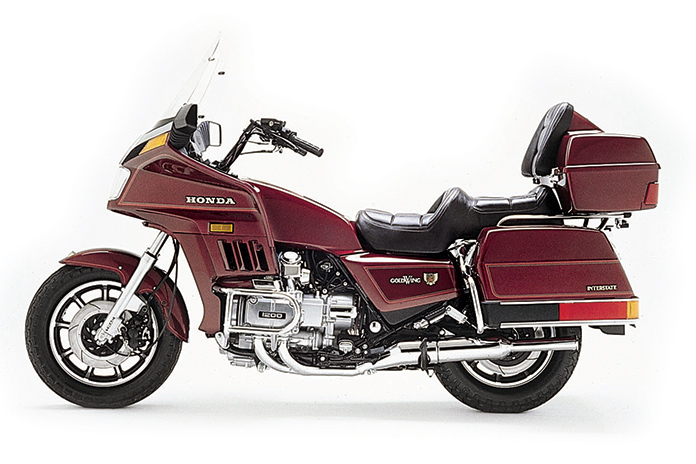
1985: Honda commemorates 25 years in America and 10 years of the Gold Wing with the GL1200L Limited Edition, which features auto-leveling rear suspension. The naked version of the GL1200 is discontinued. Honda opens an engine plant in Anna, Ohio, where GL engines would eventually be produced.
1988: Honda introduces the 1,520cc flat-Six GL1500, featuring more power, a smoother transmission, increased fuel capacity, a stiffer chassis, improved brakes, and a comprehensive fairing.
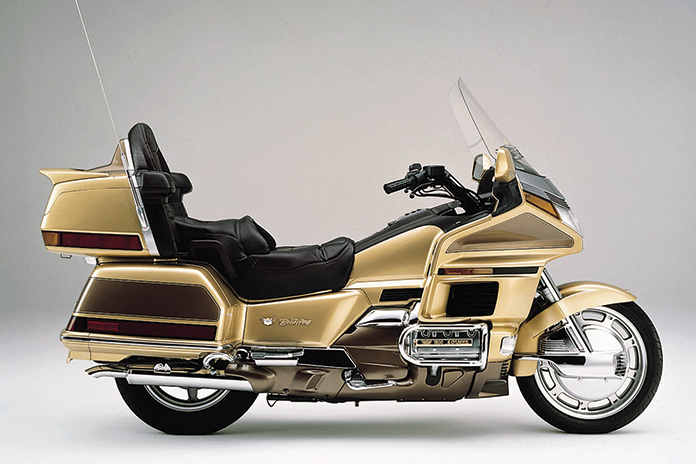
1996: On July 26, the Marysville plant produces its 1 millionth U.S.-built Honda – a Gold Wing.
1997: Honda introduces the Valkyrie, a high-performance cruiser based on the GL1500 chassis.
2000: The Gold Wing's 25th anniversary. GL engine production is moved from Anna, Ohio, back to Marysville.
2001: Honda introduces the GL1800. Developed under Masanori Aoki, it has a larger, 1,832cc flat-Six, fuel injection, an aluminum frame, and optional ABS braking.
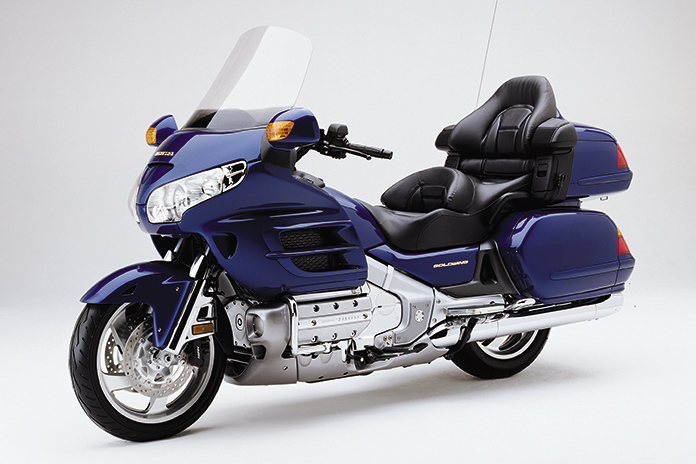
2004: Honda introduces the Valkyrie Rune, a radical-looking, heavily chromed, limited-edition GL1800-based cruiser.
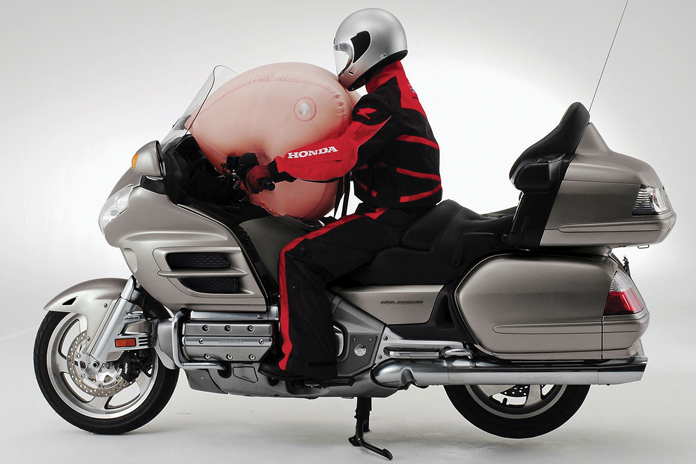
2006: The Gold Wing gets in-dash GPS and heated seat and grips. The world's first motorcycle airbag is available on a GL1800.
2011: No Gold Wing model is produced as production moves to Kumamoto, Japan.
2012: The GL1800 gets a major update, with fresh styling, more luggage capacity, improved comfort, better handling, updated infotainment, and more.
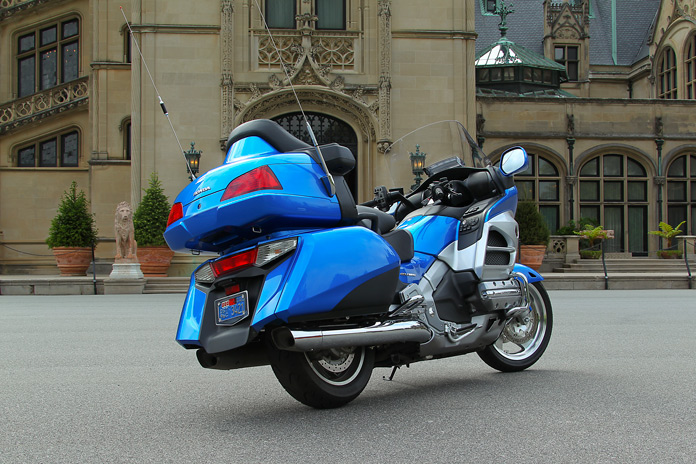
2013: Honda releases the F6B, a bagger version of the Gold Wing.
2015: Honda offers a 40th anniversary edition Gold Wing with commemorative badges, a two-tone paint scheme, an embossed passenger seat, and a special ignition key.
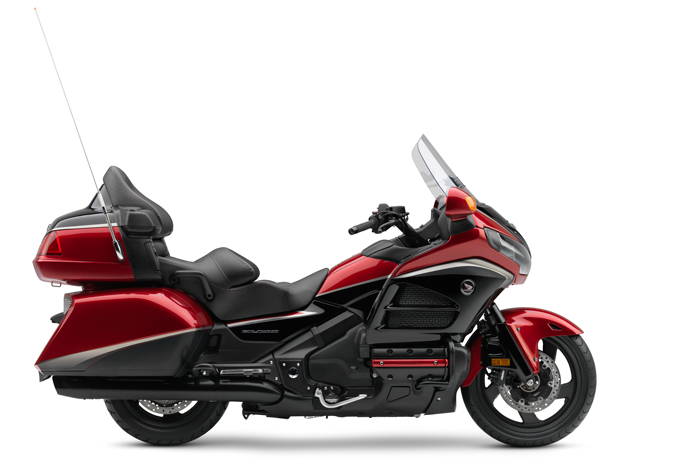
2018: Honda introduces the sixth-generation Gold Wing, which is new from the ground up and is available as a standard model with no trunk (a replacement for the F6B) or as a Tour model with a trunk. The new GL1800 is lighter and more compact, has state-of-the-art features, and is available with an optional 7-speed automatic Dual Clutch Transmission.
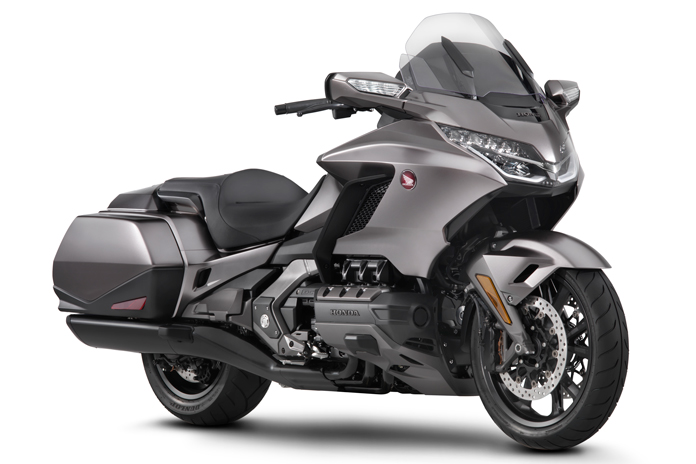
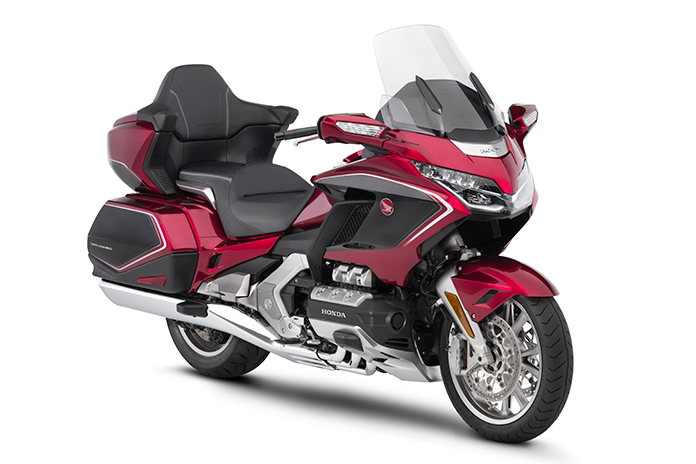
2025: Honda celebrates the Gold Wing's 50th anniversary.
The post 50 Years of the Honda Gold Wing appeared first on Rider Magazine.
Source: 50 Years of the Honda Gold Wing (https://ridermagazine.com/2024/12/24/50-years-of-the-honda-gold-wing/)
Courtesy of Rider Magazine - http://ridermagazine.com